
Gardening for Wildlife: Simple Steps for a Thriving Ecosystem
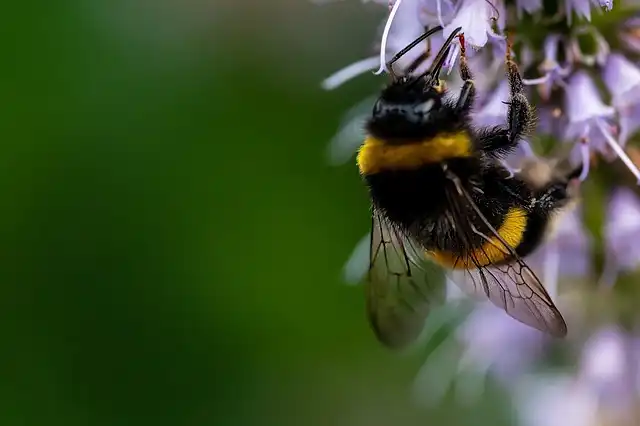
Discover how small garden changes, like planting diverse flowers and embracing 'weeds', can significantly support pollinators and wildlife. Learn from experts to create a sustainable and vibrant garden ecosystem.
Why Timing and Plant Diversity Matter
In our hectic lives, we invest so much time in quest of perfection– a picture-perfect home, say, or a Pinterest-worthy yard– that we can ignore what truly matters. Planet Day is a remedy: a welcome reminder to decrease, get in touch with nature, and commit to a few tiny adjustments to aid shield the setting.
Easy Plant Swaps for Pollinators
Actually, timing is a particularly essential consideration: while you’ll intend to supply early-blooming plants which can support wild animals right now, you’ll additionally need to integrate blossoms that flower later in the year.
Coneflowers are among the simplest swaps to make; they are durable and low-maintenance, and they’re specifically prominent amongst. Wildflowers like goldenrod and black-eyed susan are additionally optimal, specifically since they bloom all summer and with fall.
The Importance of ‘Weeds’ for Wildlife
‘ I attempt to ensure that something is growing from early spring with completion of summer season,’ mirrors Dr Anne Leonard, specialist and Teacher of Biology at the College of Nevada, Reno. ‘It’s all about giving a variety of choices, and depending on my neighbors to additionally make thoughtful selections regarding their gardens.’
Also the plants that you could be inclined to remove from your yard can be essential for pollinators. Take dandelions and cowslips: they may be considered as the opponent, but ‘weeds’ like these are an uncommon food source that pollinators can count on throughout the earliest days of spring.
Martha is a Content Editor on the Gardens group. Her love for way of living journalism started when she interned sometimes Out Dubai when she was 15 years of ages; she took place to research English and German at Oxford, before covering building and interior decoration at Nation & Town House publication. To Martha, living beautifully is everything about great food and great deals of vivid home decoration.
Expert Insights from Dr. Anne Leonard
Get in touch with me with news and provides from various other Future brandsReceive email from us in behalf of our relied on partners or sponsorsBy sending your info you consent to the Problems & terms and Privacy Plan and are aged 16 or over.
You could be keen to stock up on plants that won’t self-seed, but this leaves , butterflies and various other pests with an unique lack of feeding sources. While sterile cultivars promise to maintain your yard complimentary and neat of weeds, a clean yard can, as a matter of fact, be rather damaging to pollinators– and focusing on nectar-rich flowers can make all the difference.
The Downside of Sterile Cultivars
Anne Leonard has been a professor in the Department of Biology at the College of Nevada, Reno because 2012. Originally from Berkeley, California, she started her research study of pet behavior while an undergrad at Brown College. After getting her Ph.D. from the University of California, Davis, she got an NIH PERT postdoctoral fellowship at the College of Arizona and the Darwin Fellowship to examine bee and spider habits at the University of Massachusetts, Amherst.
By prioritizing clean and sterile cultivars, you might guarantee that your yard is organized and fuss-free, yet you’ll miss out on the humming, lively feel of a brimming pollinator place– and you’ll wind up with a much weaker community.
I attempt to ensure that something is flowering from early spring through the end of summer season,’ mirrors Dr Anne Leonard, bee specialist and Teacher of Biology at the College of Nevada, Reno. ‘It’s all about providing a variety of choices, and counting on my neighbors to likewise make thoughtful choices about their gardens.’
Obviously, a lack of nectar and plant pollen is suitable for anyone with spring allergies, yet it additionally indicates that bugs will lose out on essential feeding sources, and several various other wildlife varieties will certainly be less likely to visit your yard.
After receiving her Ph.D. from the University of The Golden State, Davis, she received an NIH PERT postdoctoral fellowship at the College of Arizona and the Darwin Fellowship to research bee and crawler habits at the College of Massachusetts, Amherst.
1 beginner gardening2 eco-friendly gardening
3 garden wildlife
4 GARDENA sustainability ambassador
5 native plants
6 pollinators
« IKEA UPPÅTVIND Review: Affordable Air Purifier for Allergy-Free SleepMaximalist Home Design: Heather Peterson’s Lived-In Style & Vintage Charm »